
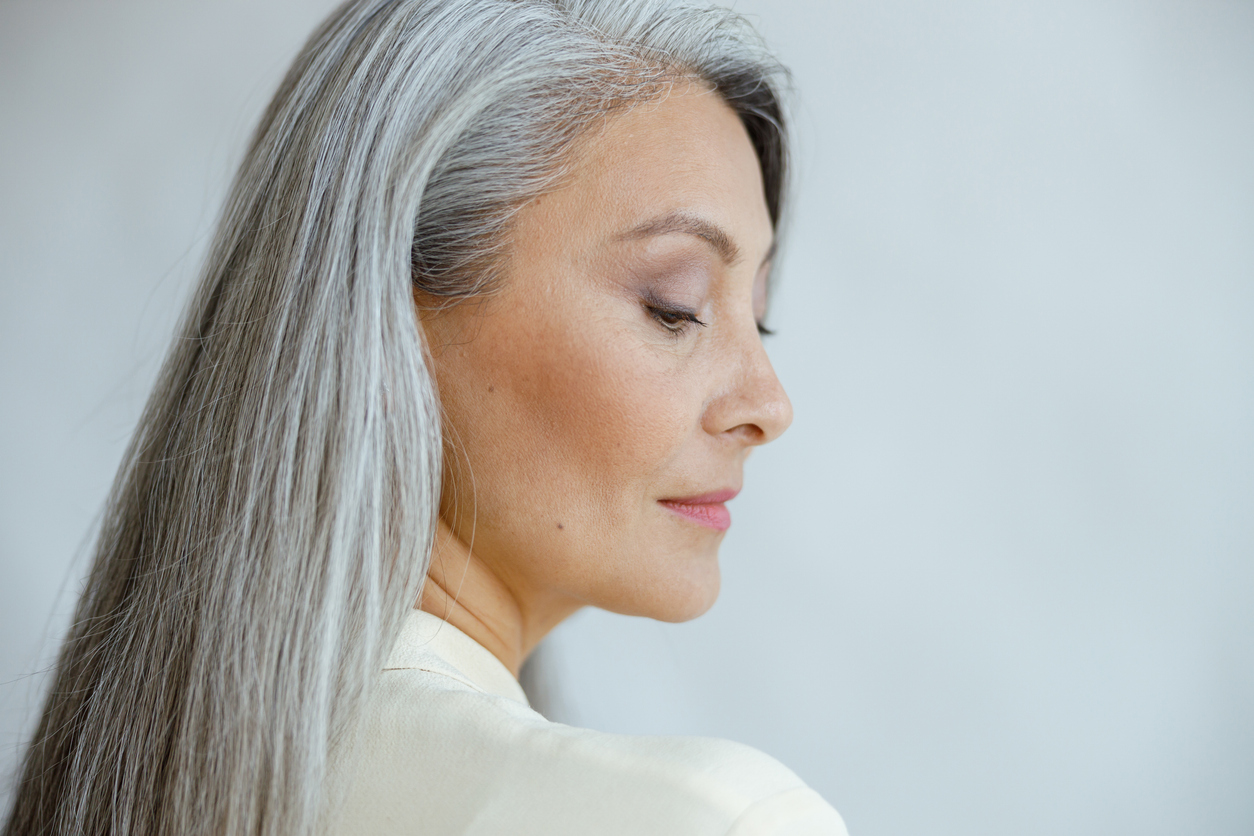
At Raffi Hovsepian, M.D. Aesthetic Plastic Surgery, led by triple board-certified plastic surgeon Dr. Raffi Hovsepian, skin aging is evaluated at its s ource: the cell. Fine lines, uneven tone, and loss of elasticity are outward signs of cumulative DNA damage caused by UV exposure, pollution, and oxidative stress. As this damage progresses, collagen production slows and the skin’s ability to regenerate declines.
Recognizing this cellular relationship enables more precise regenerative treatment strategies that support long-term skin function. In the sections below, we break down how DNA damage presents in the skin and how advanced therapies can help restore structure and clarity.
How DNA Damage Shows Up on Your Skin
As DNA integrity declines, skin cells become less efficient at renewal and repair. Over time, this leads to visible and structural changes that affect both appearance and texture.
Common visible changes include:
- Collagen degradation: Lower collagen output reduces structural support, making skin thinner and more prone to lines.
- Slower cellular turnover: A buildup of older cells creates a dull, uneven surface.
- Reduced elasticity: Breakdown of supportive proteins contributes to laxity and fine lines.
- Irregular pigmentation: Cellular signaling changes can influence how pigment is distributed, leading to uneven tone.
These changes reflect a broader decline in cellular performance, which is why targeting surface symptoms alone often provides limited results.
Supporting Skin Repair at the Cellular Level
Advances in regenerative aesthetics now make it possible to support the skin’s internal repair mechanisms directly. Rather than relying solely on surface correction, these treatments are designed to improve the skin's function over time.
At RHMD, advanced formulations may incorporate:
- PDRN (polydeoxyribonucleotide): Supports tissue regeneration by activating cellular repair pathways and reducing inflammation.
- Peptides: Signal the production of collagen and other structural proteins that improve firmness.
- Glutathione: Helps counteract oxidative stress that contributes to ongoing cellular damage.
- Hyaluronic acid: Enhances hydration and reinforces the skin barrier for improved resilience.
Why DNA-Focused Treatments Make a Difference
Targeting DNA damage shifts the objective from short-term correction to sustained improvement in skin health. When cellular processes are supported, results tend to appear more natural and consistent.
Key benefits include:
- Deeper rejuvenation: Improvements develop within the skin rather than sitting on the surface.
- Improved cellular performance: Healthier cells respond more effectively to internal and external stressors.
- Greater longevity of results: Ongoing support helps maintain visible improvements over time.
- Minimal interruption: Many regenerative treatments are designed to fit seamlessly into busy lifestyles.
This approach reflects a more advanced standard of care, focused on maintaining skin quality rather than temporarily masking concerns.
Advanced Regenerative Care at RHMD
Dr. Hovsepian integrates regenerative therapies into customized treatment plans through YouthLab by RHMD. Each protocol is tailored to the individual, taking into account skin condition, lifestyle, and long-term aesthetic goals.
With a foundation in advanced surgical training and a commitment to innovation, Dr. Hovsepian combines scientific precision with an artistic perspective. This ensures that outcomes remain natural, balanced, and aligned with each patient’s unique features.
Restore Healthier Skin From Within
DNA damage plays a central role in visible skin aging by disrupting the processes responsible for renewal and structural support. Addressing these changes at the cellular level allows for more meaningful improvements in tone, texture, and elasticity.
Dr. Hovsepian offers advanced, personalized treatments designed to support long-term skin health through regenerative techniques. Schedule your private consultation today to explore a more precise, medically grounded approach to skin rejuvenation.